


Finding Meaning, Resilience, and Hope Through Innovation
Andrew Chernysh (RMC 1997) has spent his life at the intersection of service, technology, and resilience. A military veteran and cybersecurity specialist, Andrew now faces one of life’s most profound challenges with the same determination that defined his career.
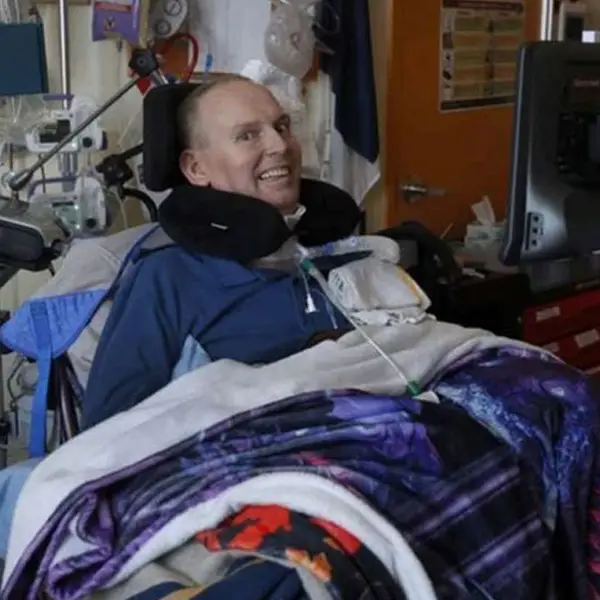
Diagnosed five years ago with amyotrophic lateral sclerosis (ALS), Andrew lives in palliative care at Saint‑Vincent Hospital in Ottawa. The disease has left him paralyzed from the neck down and reliant on a ventilator, yet his determination to remain engaged with the world—and with those around him—remains unwavering.
Using advanced eye‑gaze technology, Andrew communicates by spelling out words on a computer, maintaining strong connections with family, friends, and his Royal Military College classmates. His digital voice is not just a tool—it is his lifeline, enabling him to stay active, social, and optimistic in the face of extraordinary circumstances.
Like many individuals in advanced stages of illness, Andrew experienced significant psychological distress as he approached end of life, even considering medical assistance in dying. Yet his journey took an unexpected turn when he became a participant in a groundbreaking clinical trial led by Dr. James Downar at Bruyère Health.
The study explores the use of microdoses of psilocybin—administered without psychedelic effects—to help alleviate depression, anxiety, and existential distress in palliative patients. Early results have shown promising outcomes, with many participants reporting meaningful improvements in emotional well‑being and a renewed sense of purpose.
For Andrew, the impact was immediate and profound. He reported feeling less anxious shortly after beginning treatment and has since experienced an improved quality of life. Today, he finds joy in simple but meaningful moments—sunlight through his window, visits from friends, and opportunities to participate in activities.
His optimism extends beyond the present. Andrew is actively following advances in assistive technology, including potential clinical trials exploring brain‑computer interfaces that could one day allow individuals with paralysis to control robotic limbs.
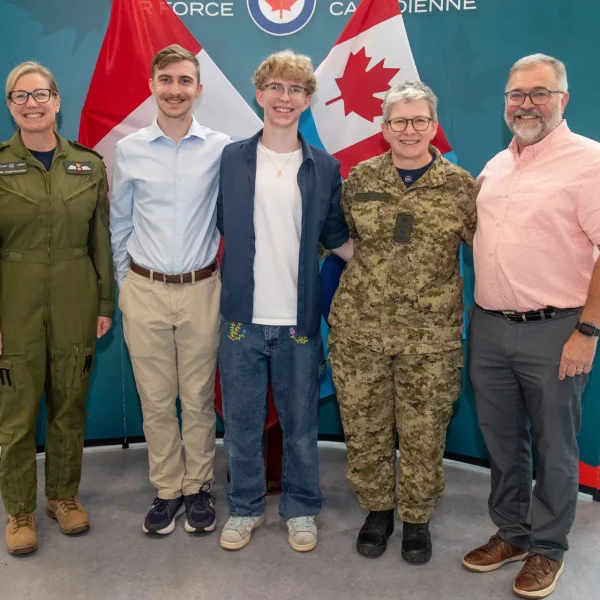
Throughout his journey, Andrew has remained deeply connected to the RMC community. Recently, friends from his cadet days visited to celebrate his 52nd birthday—a reminder of the enduring bonds forged during his time at the College.
Andrew’s story is one of courage, adaptability, and hope. His willingness to participate in innovative research not only enhances his own quality of life but also contributes to advancing care for others facing similar challenges. When asked about his outlook, Andrew’s message is simple and powerful: he continues to choose optimism, appreciating each day and the connections that sustain him.